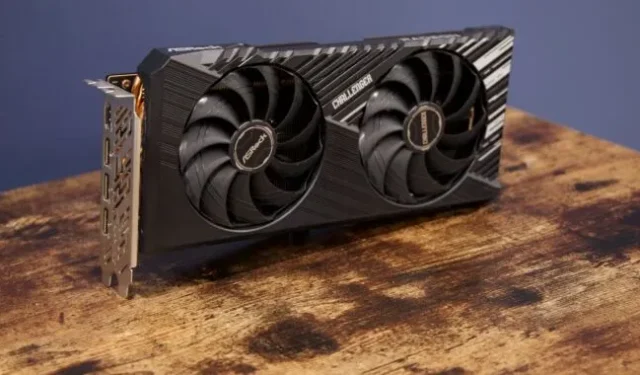

In July 2023, AMD released a new GPU called the “Radeon RX 7900 GRE”in China. GRE stands for “Golden Rabbit Edition,”a reference to the Chinese zodiac, and while the card was available outside of China in a handful of pre-built OEM systems, AMD didn’t make it widely available at retail.
That changes today—AMD is launching the RX 7900 GRE at US retail for a suggested starting price of $549. This throws it right into the middle of the busy upper-mid-range graphics card market, where it will compete with Nvidia’s $549 RTX 4070 and the $599 RTX 4070 Super, as well as AMD’s own $500 Radeon RX 7800 XT.
We’ve run our typical set of GPU tests on the 7900 GRE to see how it stacks up to the cards AMD and Nvidia are already offering. Is it worth buying a new card relatively late in this GPU generation, when rumors point to new next-gen GPUs from Nvidia, AMD, and Intel before the end of the year? Can the “Golden Rabbit Edition”still offer a good value, even though it’s currently the year of the dragon?
Meet the 7900 GRE
| RX 7900 XT | RX 7900 GRE | RX 7800 XT | RX 6800 XT | RX 6800 | RX 7700 XT | RX 6700 XT | RX 6750 XT | |
|---|---|---|---|---|---|---|---|---|
| Compute units (Stream processors) | 84 (5,376) | 80 (5,120) | 60 (3,840) | 72 (4,608) | 60 (3,840) | 54 (3,456) | 40 (2,560) | 40 (2,560) |
| Boost Clock | 2,400 MHz | 2,245 MHz | 2,430 MHz | 2,250 MHz | 2,105 MHz | 2,544 MHz | 2,581 MHz | 2,600 MHz |
| Memory Bus Width | 320-bit | 256-bit | 256-bit | 256-bit | 256-bit | 192-bit | 192-bit | 192-bit |
| Memory Clock | 2,500 MHz | 2,250 MHz | 2,438 MHz | 2,000 MHz | 2,000 MHz | 2,250 MHz | 2,000 MHz | 2,250 MHz |
| Memory size | 20GB GDDR6 | 16GB GDDR6 | 16GB GDDR6 | 16GB GDDR6 | 16GB GDDR6 | 12GB GDDR6 | 12GB GDDR6 | 12GB GDDR6 |
| Total board power (TBP) | 315 W | 260 W | 263 W | 300 W | 250 W | 245 W | 230 W | 250 W |
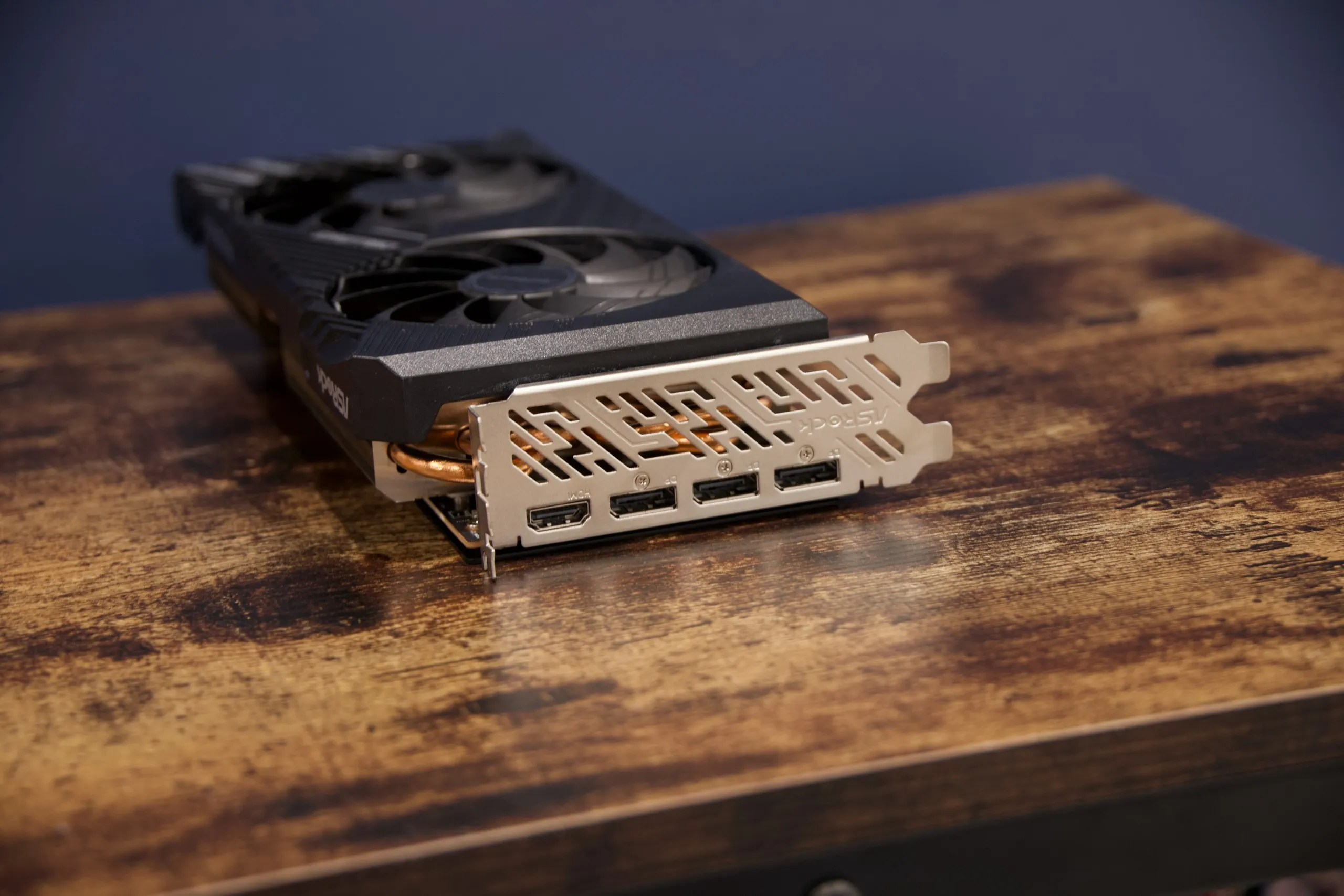
The 7900 GRE slots into AMD’s existing lineup above the RX 7800 XT (currently $500-ish) and below the RX 7900 (around $750). Technologically, we’re looking at the same Navi 31 GPU silicon as the 7900 XT and XTX, but with just 80 of the compute units enabled, down from 84 and 96, respectively. The normal benefits of the RDNA3 graphics architecture apply, including hardware-accelerated AV1 video encoding and DisplayPort 2.1 support.
The 7900 GRE also includes four active memory controller die (MCD) chiplets, giving it a narrower 256-bit memory bus and 16GB of memory instead of 20GB—still plenty for modern games, though possibly not quite as future-proof as the 7900 XT. The card uses significantly less power than the 7900 XT and about the same amount as the 7800 XT. That feels a bit weird, intuitively, since slower cards almost always consume less power than faster ones. But it does make some sense; pushing the 7800 XT’s smaller Navi 32 GPU to get higher clock speeds out of it is probably making it run a bit less efficiently than a larger Navi 31 GPU die that isn’t being pushed as hard.
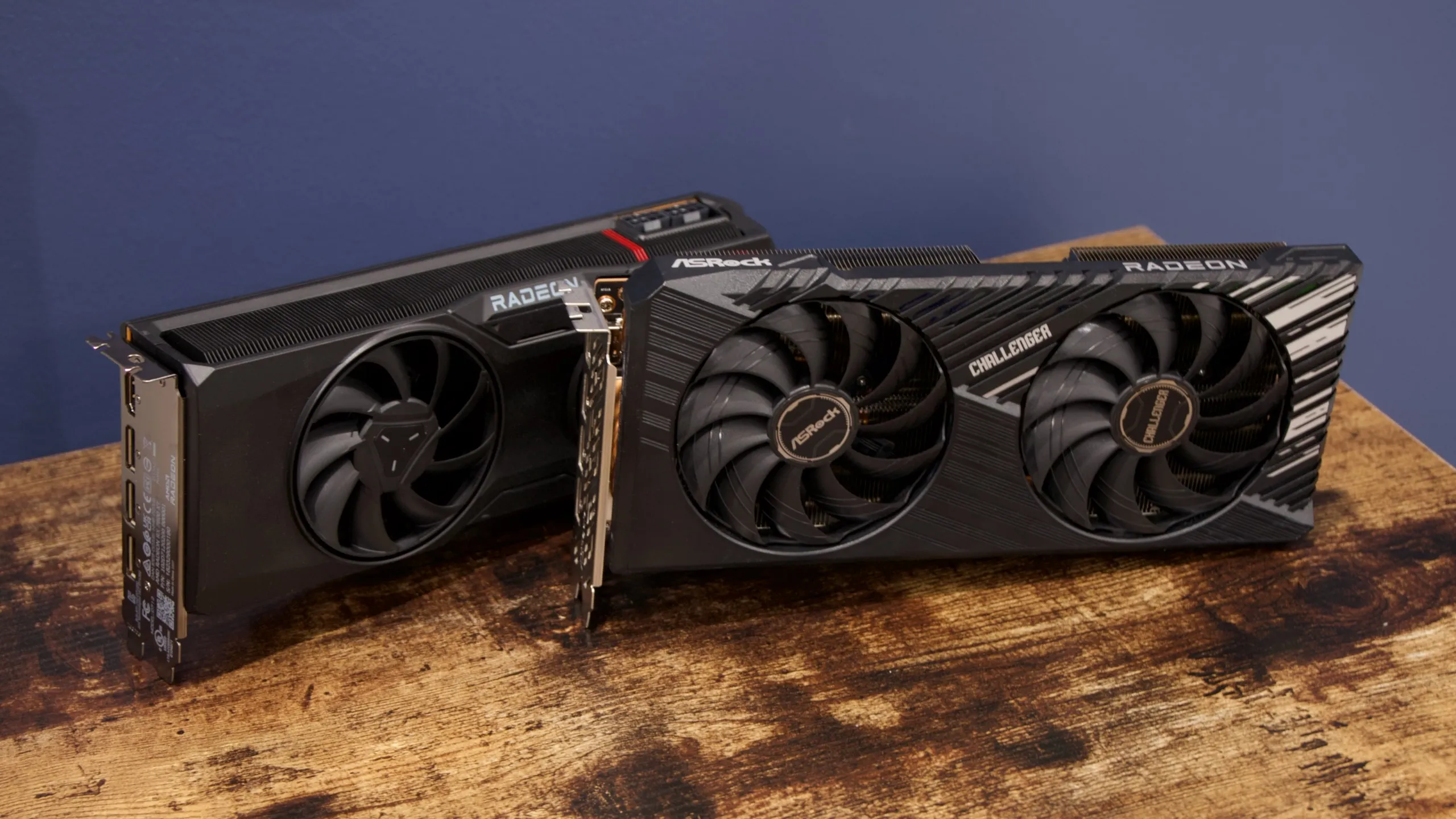
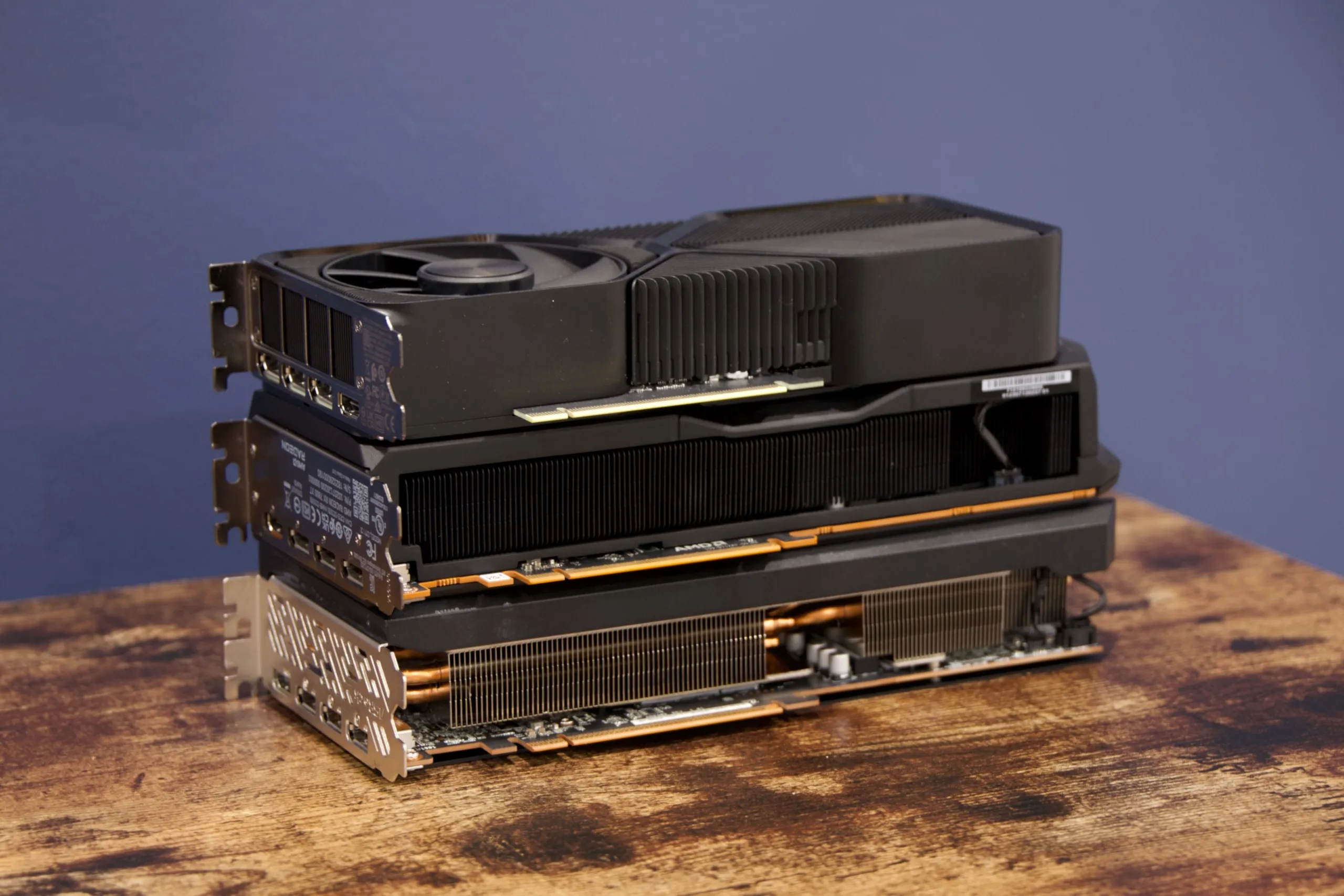
When we reviewed the 7800 XT last year, we noted that its hardware configuration and performance made it seem more like a successor to the (non-XT) Radeon RX 6800, while it just barely managed to match or beat the 6800 XT in our tests. Same deal with the 7900 GRE, which is a more logical successor to the 6800 XT. Bear that in mind when doing generation-over-generation comparisons.