
Of all of Nvidia’s current-generation GPU launches, there hasn’t been one that’s been quite as weird as the case of the “GeForce RTX 4080 12GB.”
It was the third and slowest of the graphics cards Nvidia announced at the onset of the RTX 40-series, and at first blush it just sounded like a version of the second-fastest RTX 4080 but with less RAM. But spec sheets and Nvidia’s own performance estimates showed that there was a deceptively huge performance gap between the two 4080 cards, enough that calling them both “4080”could have lead to confusion and upset among buyers.
Taking the hint, Nvidia reversed course, “unlaunching“the 4080 12GB because it was “not named right.”This decision came late enough in the launch process that a whole bunch of existing packaging had to be trashed and that new BIOSes with new GPU named needed to be flashed to the cards before they could be sold.
The end result of all this rigamarole was the GeForce 4070 Ti, a card that certainly performed well against the previous-generation RTX 3070 Ti but still came with a big generational price jump from $599 to $799. It was too expensive to be a mainstream or “budget”card by any stretch of the imagination, but not fast enough to be a definitive cut above older RTX 30-series GPUs like the 4090 and 4080 had been.
This week Nvidia is launching the cumbersomely named GeForce RTX 4070 Ti Super, as a sort of mid-generation correction to the original card—the original 4070 Ti is being discontinued, rather than getting a new price tag à la the non-Super RTX 4070. The 4070 Ti Super is definitely faster than the old one at the same $799 price, which we’d still call a good thing. But that’s still a high price in the end, and stronger-than-usual competition from AMD ultimately helps to make the 4070 Ti Super one of the less-compelling GPU options in the RTX 40-series lineup.
Meet the 4070 Ti Super
| RTX 4090 | RTX 4080 | RTX 4080 Super | RTX 4070 Ti | RTX 4070 Ti Super | RTX 4070 | RTX 4070 Super | |
|---|---|---|---|---|---|---|---|
| CUDA Cores | 16,384 | 9,728 | 10,240 | 7,680 | 8,448 | 5,888 | 7,168 |
| Boost Clock | 2,520 MHz | 2,505 MHz | 2,550 MHz | 2,610 MHz | 2,610 MHz | 2,475 MHz | 2,475 MHz |
| Memory Bus Width | 384-bit | 256-bit | 256-bit | 192-bit | 256-bit | 192-bit | 192-bit |
| Memory Clock | 1,313 MHz | 1,400 MHz | 1,437 MHz | 1,313 MHz | 1,313 MHz | 1,313 MHz | 1,313 MHz |
| Memory size | 24GB GDDR6X | 16GB GDDR6X | 16GB GDDR6X | 12GB GDDR6X | 16GB GDDR6X | 12GB GDDR6X | 12GB GDDR6X |
| TGP | 450 W | 320 W | 320 W | 285 W | 285 W | 200 W | 220 W |
The 4070 Super got its speed upgrades from a bunch of extra CUDA cores, and the 4070 Ti Super gets some of those, too—a 10 percent increase from the regular 4070 Ti. But the memory subsystem also gets healthy upgrades, jumping from 12GB of memory to a more future-proof 16GB and, accordingly, increasing the width of the memory bus from 192 bits to 256 bits.
That second thing has been a bit of a sore spot for enthusiasts for the entire RTX 40-series—memory bus widths across the lineup are generally narrower than they were for 30- and 20-series cards in the same tier. Nvidia says that the addition of extra cache memory in the 40-series helps to make up for this, but there’s still been grumbling about how less memory bandwidth is limiting these cards’ performance. Occasionally, especially in the case of the 4060 Ti, there has been pretty solid evidence of performance issues at higher resolutions, where some cards’ relative performance goes down as resolution scales up.
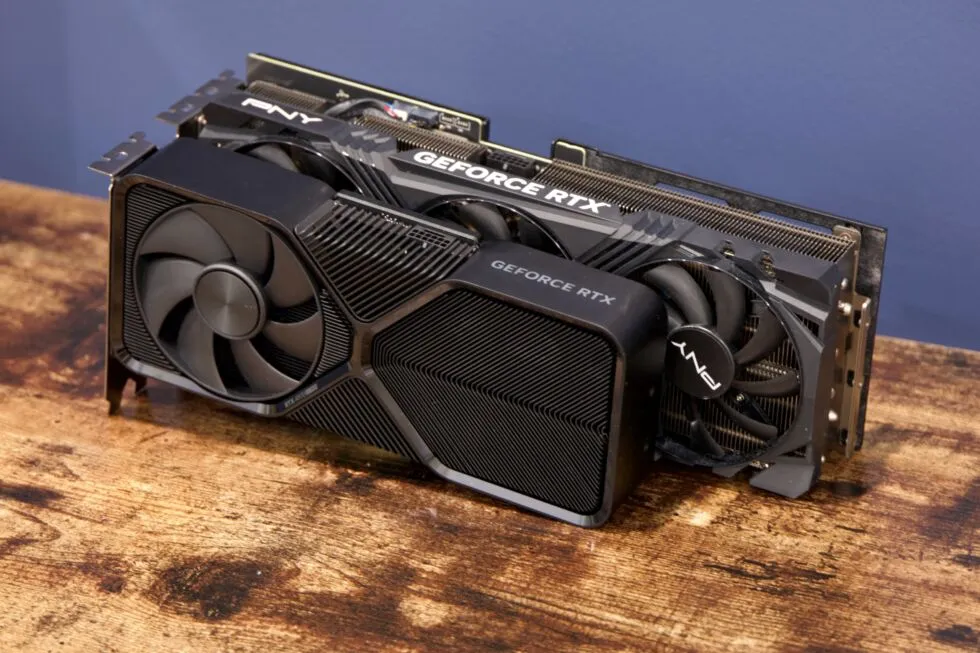
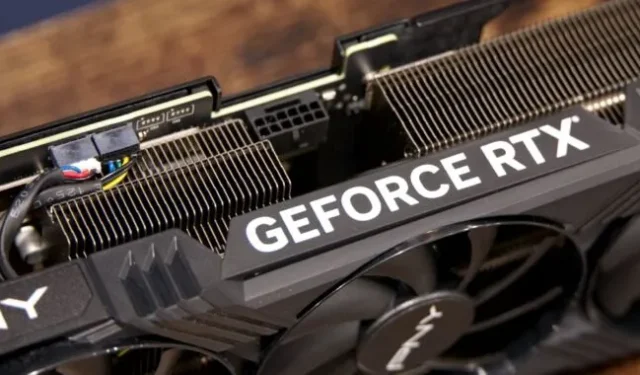
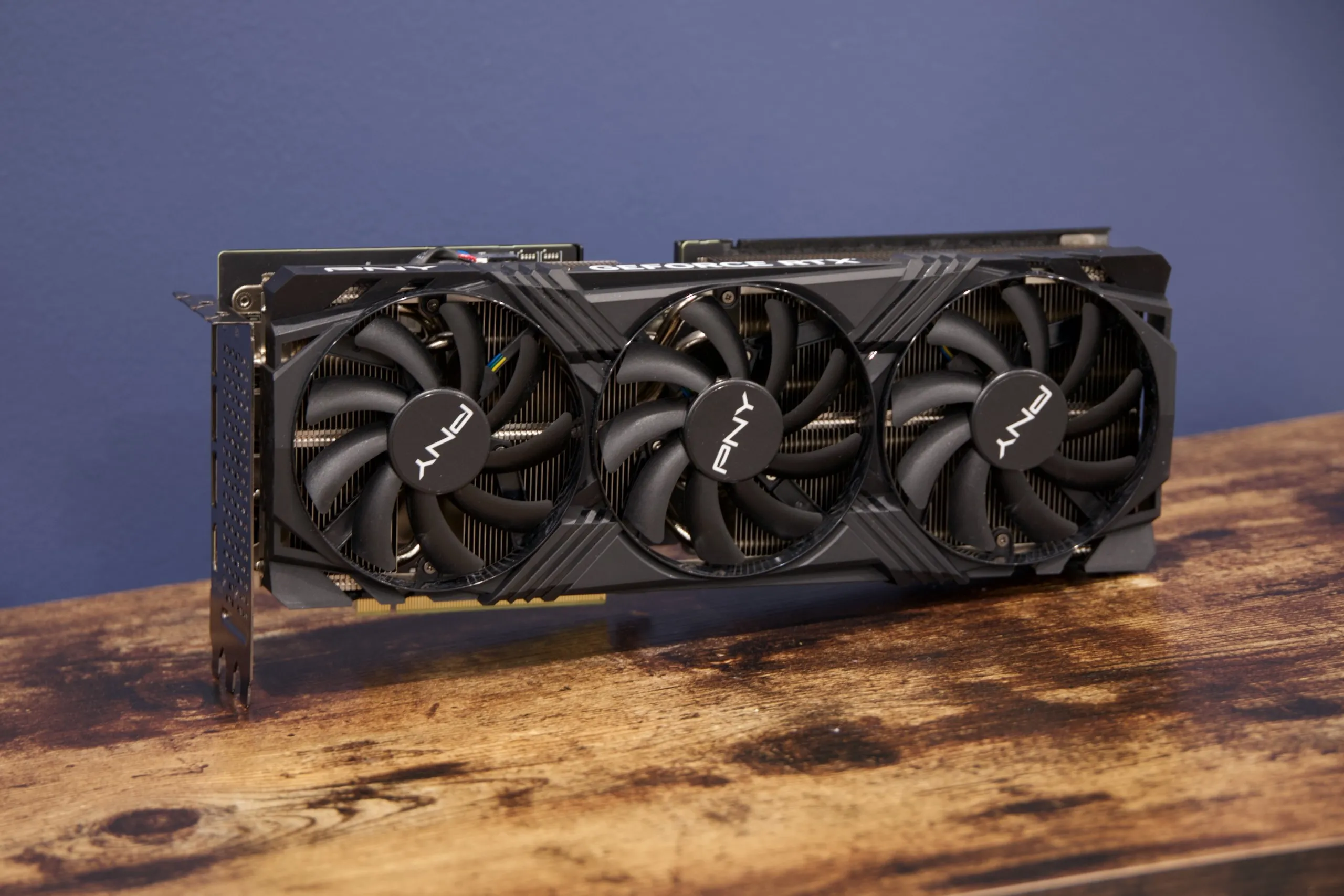
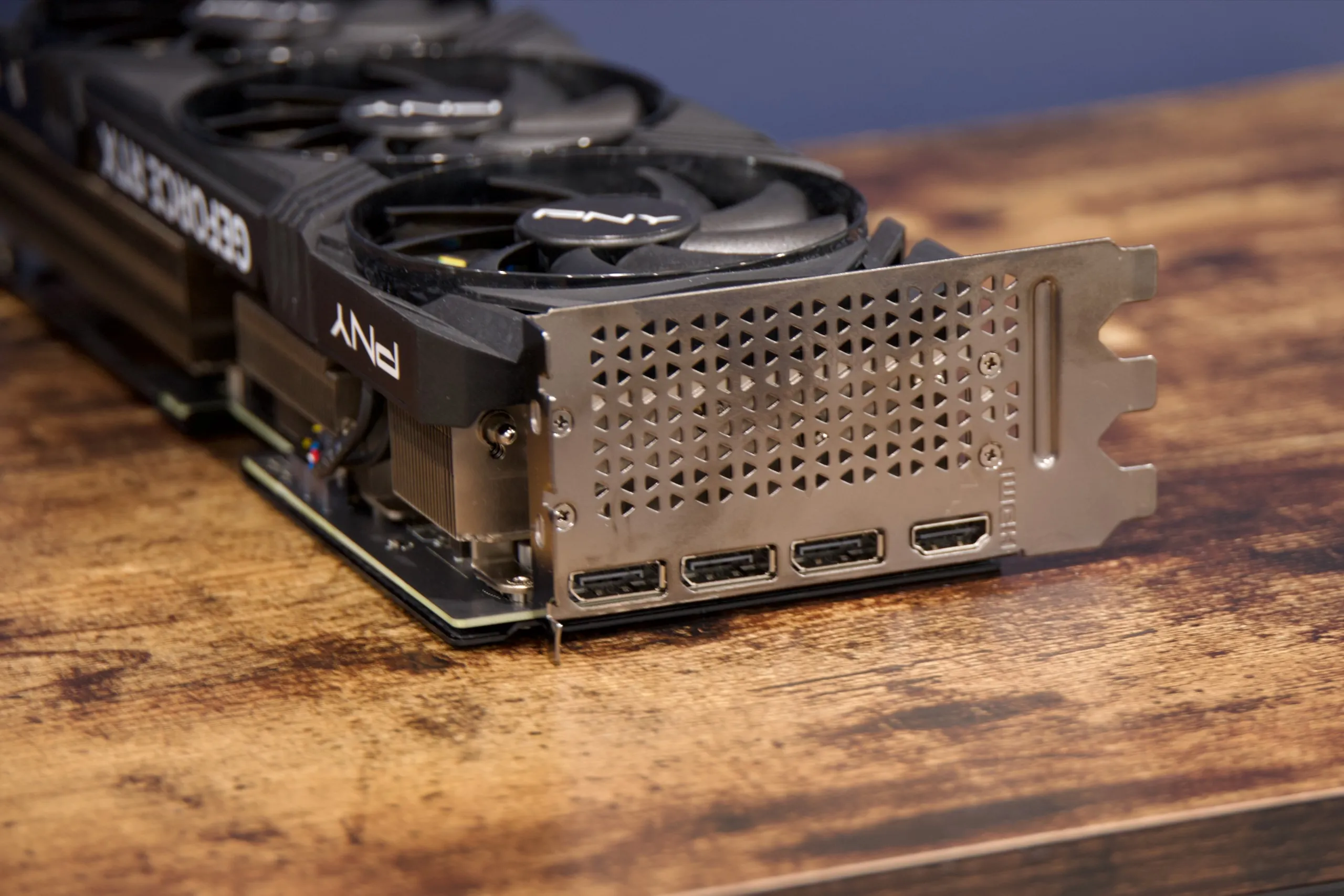
These upgrades don’t bring the 4070 Ti Super up to the level of the original 4080, which is a sign of just how off-base the “4080”label would have been for the original GPU. But they get it quite a bit closer. They also don’t increase Nvidia’s stated power consumption specs for the card, which stay level at 285 W; we noticed a slight uptick in power consumption, but this could just be variance between different OEMs’ specific settings. Our 4070 Ti was from MSI, and the 4070 Ti Super was the PNY GeForce RTX 4070 Ti Super 16GB Verto; PNY’s card comes with a 30 MHz game clock boost and 15 MHz boost clock boost, a barely noticeable increase that is typical of manufacturer overclocks.